Untitled-1.jpg
  • “This is a book that makes a difference, not only in our grasp of human visuality but in all the mixed feelings of love and hate, attraction and repulsion, thought and feeling that make us the crazy animals we are.”

    - W. J. T. Mitchell, author of What Do Pictures Want? 

  • “Endlessly rich, and as imaginative as it is scholarly, TURNING AWAY gives us startlingly new insights into a fascinatingly negative gesture.”

    — Sianne Ngai, author of Ugly Feelings

  • “Composed with an electric blend of writerly elegance and moral urgency, this erudite book compels its readers to keep our eyes fixed on its pages.”

    —Marta Figlerowicz, author of Spaces of Feeling: Affect and Awareness in Modernist Literature

  • “This lavish and virtuosic book finds in the gesture of turning away an entire history of why we turn to art to understand what we cannot look at directly.”

    —D. Vance Smith, author of Atlas’s Bones

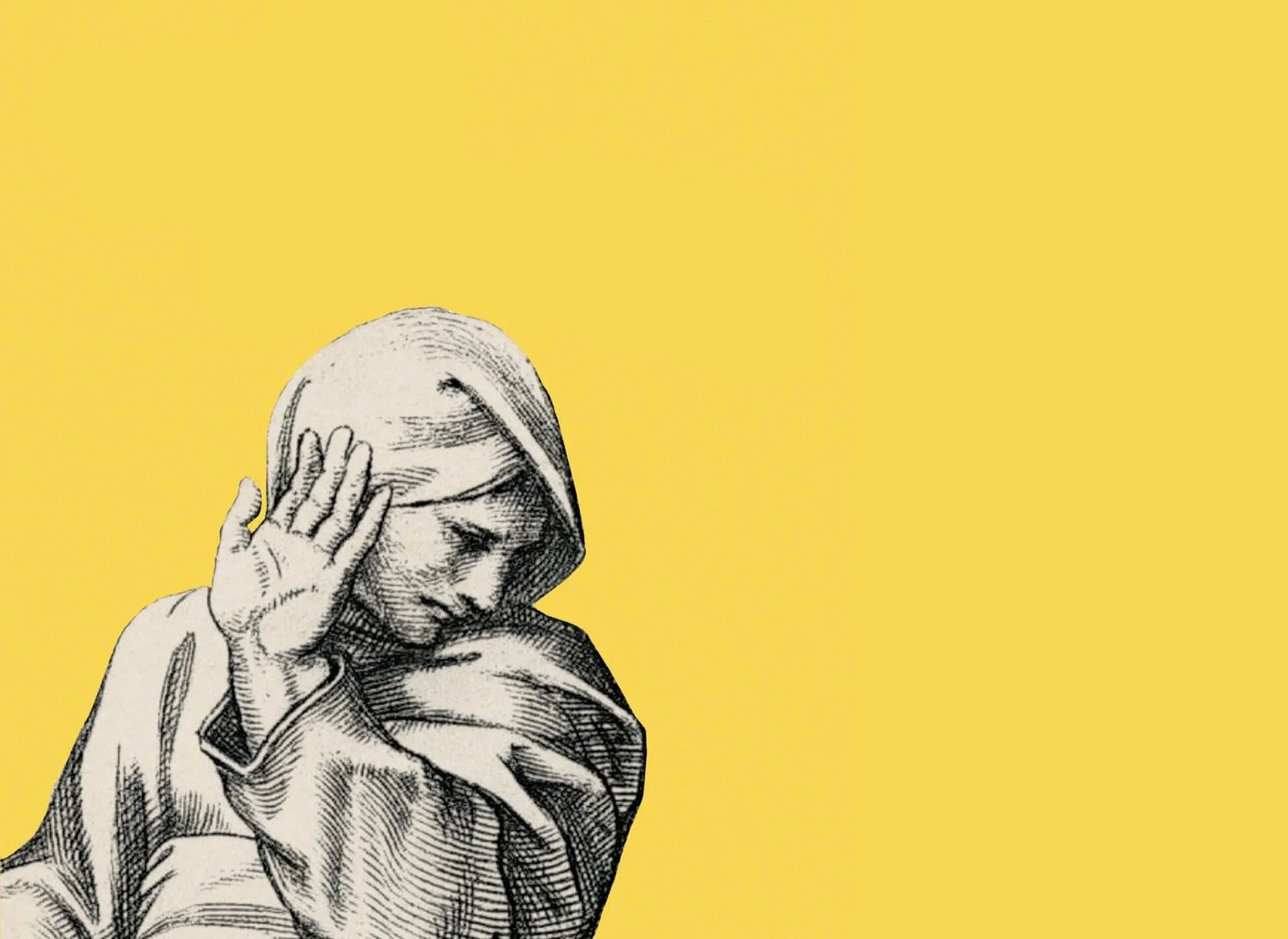
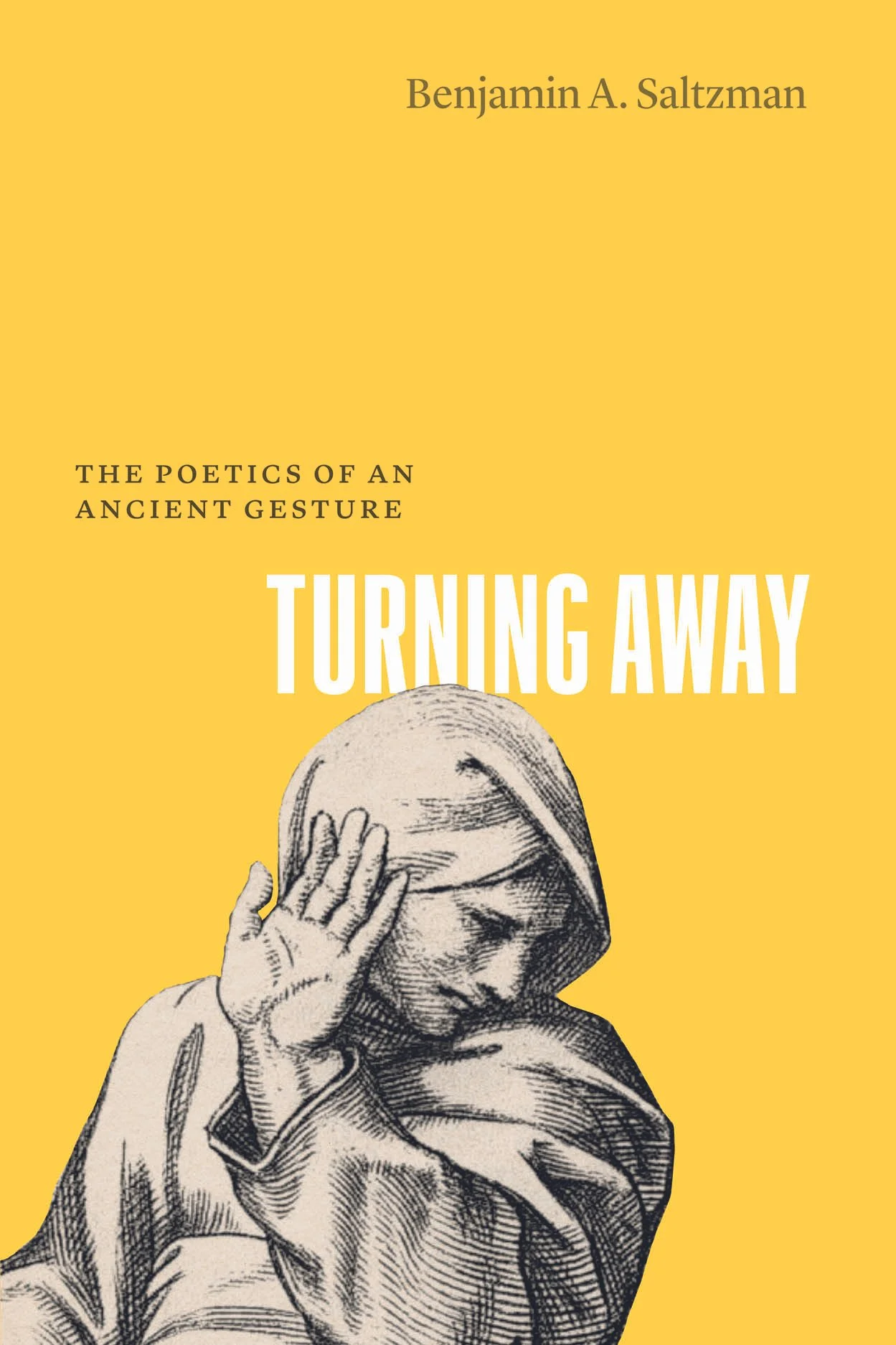
Book cover titled "Turning Away" by Benjamin A. Saltzman, with the subtitle "The Poetics of an Ancient Gesture", featuring a black-and-white illustration of a person with a beard and head covering, holding their hand to their ear, set against a yellow background.

A sweeping account of how we are at our most human when we turn away from the pains of the world.

Why do we look away from the suffering of others? Why do we cover our faces in shame or lower our heads in grief? Few gestures are as universal as the averted gaze. Fewer still are as ambivalent and inscrutable. In this incisive study, Benjamin A. Saltzman reveals how the kaleidoscopic appearance of these gestures in art, poetry, and philosophy has turned them into an essential language for our uncomfortable engagements with the world.

Into the horizon of contemporary discourse, Turning Away sets out from five influential scenes in which figures avert their gaze: Timanthes’s Sacrifice of Iphigenia, Plato’s Republic, Augustine’s Confessions, Christ’s Crucifixion, and the Fall and Expulsion of Adam and Eve. The gestures of aversion in these scenes refract across visual media, through philosophy and politics, into modernity and the present day, having been reimagined along the way by thinkers like Hannah Arendt, artists like Marc Chagall and Salvador Dalí, poets like Langston Hughes, and many others. Saltzman offers a timely critique of the privilege of turning away and of the too-easy condemnation of our tendencies to do so.

order your copy or cover your eyes

Direct from UChicago Press (30% off with UCPNEW)
Amazon
Bookshop.org
Barnes and Noble